
Are you a Baby Boomer working past 65?
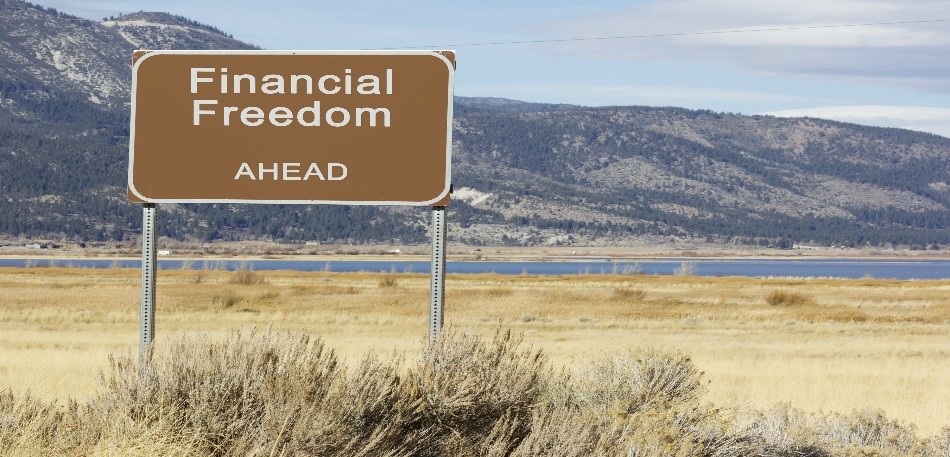
If so, you have joined the Un-Retired club which has many members!
“Un-Retirement” is the growing trend either by choice or economic necessity to continue to work past 65. This post will focus on those un-retired persons who need to keep working longer out of economic necessity.
It doesn’t matter whether your collar is blue, pink, green or white, Un-Retired Boomers come from all occupations and income levels.
White collar workers (those that perform professional, managerial, or administrative work) may have more formal education, and a higher working income, but they are not excluded from un-retirement. These workers can find themselves impacted by global market changes, forced layoff, or job loss for other causes with their retirement savings interrupted. The news media is filled with numerous stories:
- offshoring of white collar jobs and in some cases moving entire companies overseas;
- corporate downsizing and the resulting reduction of management positions; and
- automation through digital technologies with job redundancy or loss.
A large number of Un-Retired Boomers in North America never fit into the financial industry’s “freedom 50 Plus” model. This is due to the many personal and market events and circumstances that can prevent this from happening by or before, what was once the mandatory age of retirement at 65.
Zoomer Media Limited (2012) informs us “Data from Statistics Canada and the US Bureau of Labor Statistics confirms that a growing number of people are not retiring at age 65. In Canada, the percentage of participation in the labor force by people age 55 and up is at an all-time high. Experts believe the trend will continue, permanently wiping out the idea that 65 is a magic number signifying the end of the income-earning years. In both Canada and the USA, about 30% of people aged 65-69 are still working, either full time or part time. That age break captures only a tiny percentage of Baby Boomers, the oldest of whom just entered retirement age. The rest of the wave – now aged 47 to 64 – are still outside that traditional retirement benchmark. What will they do when they hit the number? The research is clear: they’ll keep right on working.”
Born between 1946 and 1964, there are approximately 76 million Baby Boomers in the USA and 10 million in Canada.
For the older worker who hasn’t accumulated enough assets to have the choice whether they want to keep working or not, the options are limited. Working longer (Un-Retired) and consuming less, saving more from any income derived is the primary strategy, ideally at a job you like and one that provides adequate compensation. This work could be in the form of part time, casual, seasonal, full time or self-employment, depending on the individual needs and employment situation.
Staying gainfully employed for an Un-Retired worker can be challenging enough if you are in good health. If a disabling health event occurs before a sufficient nest egg is established, then the strategy described above might not be available. This would depend on the severity of the disability and what level of recovery occurs. Working longer may not be possible and barring a windfall or other injection of funds, these folks essentially become unemployed and un-retired at whatever level their savings after the fact, allow. This may require downsizing and/or consolidation to reduce expenses or if there is debt with a decrease in standard of living.
There are Un-Retired individuals though, who work longer and achieve whatever their definition of financial freedom is, so all is not gloom and doom!

